Most founders think the hard part is building the product. It's not. The hard part is getting your first 10 early users. Then your first 100. Then your first early customers who actually pay.
Here's what nobody tells you when you're deep in the build phase: you can have a genuinely good product and still hear nothing but crickets after launch. No early traction. No signups. No feedback. Just silence. This isn't rare. It's the default outcome.
This guide is about why it happens — and what founders who actually get early users, early adopters, and early customers do differently.
The Lie That Kills Most Startups
"Build it and they will come." They won't.
The internet is drowning in SaaS products, AI tools, Chrome extensions, productivity apps, and startup launches. Something genuinely useful gets ignored every single day because nobody knew it existed.
The founders who win aren't always the ones with the best product. They're the ones who figured out distribution — how to consistently put their product in front of the right people, repeatedly, before they had money to spend on ads.

"The startup ecosystem rewards visibility. Not perfection."
| Product Quality | Distribution | Outcome |
|---|---|---|
| Amazing | Weak | Dies silently |
| Average | Strong | Gets early traction |
| Good | Consistent | Grows steadily |
| Great | Great | Breaks out |
What Early Users Actually Are (And Why They Matter)
Early users — sometimes called early adopters, beta users, pilot customers, founding members, or design partners — are the first people willing to try your product before the broader market trusts it. They're not just a vanity metric. They're your entire feedback loop.
- Tell you what's broken before it becomes a reputation problem
- Validate whether your pain point is real or imagined
- Shape your roadmap based on actual usage, not assumptions
- Become your first testimonials and case studies
- Sometimes convert into your first paying early customers
Without early users, you're flying blind. You're building features nobody asked for, messaging nobody connects with, and solving problems nobody urgently has.
The Real Reasons Founders Struggle to Get Early Users
1. They build before they talk
This is the most expensive mistake in startups. Founders spend three to six months building in isolation, then launch to silence. The problem usually isn't the product itself — it's that they validated with the wrong signal.
Real validation looks like:
Someone booking a call to learn more
Someone joining a waitlist unprompted
Someone saying "when can I use this?" — not "interesting concept"
Smart founders talk to 20–30 potential users before writing a single line of code. They're asking: "How painful is this problem, and what would you give up to solve it?"
2. They ignore distribution entirely
Most founders treat distribution as something you do after the product is ready. It's not. Distribution is the product, in a sense.
- Building an audience while you build the product
- Showing up consistently in communities where your users already are
- Creating content that attracts early adopters organically
- Building relationships before you ever need to ask for anything
The founders getting early traction in 2026 started building in public months before launch. By the time they shipped, people were already waiting.
3. They try to reach everyone
"AI platform for businesses" — nobody cares. "AI assistant for solo real estate agents who hate doing their own follow-ups" — that's a person, and that person will immediately recognize themselves.
4. They avoid talking to people
Early-stage user acquisition is almost always manual. It's DMs, cold emails, Reddit comments, Discord conversations, and one-on-one calls. It feels unscalable. That's the point. Your first 10 early users won't come from a viral tweet — they'll come from a founder who personally reached out. This is called founder-led sales.
5. They launch too late, too polished
Early adopters are not looking for a finished product. They're looking for something that solves a real problem, even crudely. Waiting until everything is perfect means competitors get feedback before you do.
Ship rough. Learn fast. Improve publicly.
Where to Actually Find Early Users and Beta Testers
Reddit is one of the highest-signal places to find early adopters and get honest feedback. Best subreddits: r/startups, r/SaaS, r/Entrepreneur, r/SideProject, r/alphaandbetausers. Don't post links. Post value. Comment on existing threads. Be a person, not a bot.
X (Twitter) is still one of the strongest platforms for reaching indie hackers and builders through #buildinpublic. LinkedIn is severely underestimated for B2B early user acquisition — organic reach is still strong, especially for productivity tools and AI software.

The Psychology of Early Adopters
Early adopters are not normal users. They enjoy finding things before everyone else, having direct access to founders, shaping products they believe in, and being part of something early. That's why framing like "founding member access" or "early adopter pricing" works — it's not just a discount. It's an identity offer.
What Actually Works: Early User Acquisition Strategies
Build in public. People follow stories, not products. Document your process — the wins, the failures, the pivots. This builds trust over time and attracts early users who feel invested before they even sign up.
Lead with pain, not features. Nobody wants "AI-powered analytics with real-time dashboards." They want to stop losing customers without knowing why. Write your messaging around the problem.
Do manual outreach early. Short, personal, specific DMs convert. "Saw you mentioned struggling with client follow-ups. Built something that solves exactly that — happy to give you early access."
Close the feedback loop fast. The founders who win respond to feedback within hours, not days. Early users who feel heard become advocates. Early users who feel ignored churn quietly.
Signs You Have a Distribution Problem (Not a Product Problem)
- Your product exists but nobody outside your network knows about it
- You've launched but engagement is near zero
- You have traffic but no conversions
- Users try it once and disappear with no explanation
These aren't product failures. They're messaging, positioning, and distribution failures. Fix the distribution before you add more features.
The Shift That Changes Everything
The founders winning in 2026 stopped thinking of distribution as a post-launch task. They build audience while they build product. They collect early users before launch. They treat getting early customers as the job, not an afterthought.
"Early traction compounds. Early users become advocates. Early customers become case studies. Early feedback becomes a better product. Start there."
Find your early customers automatically
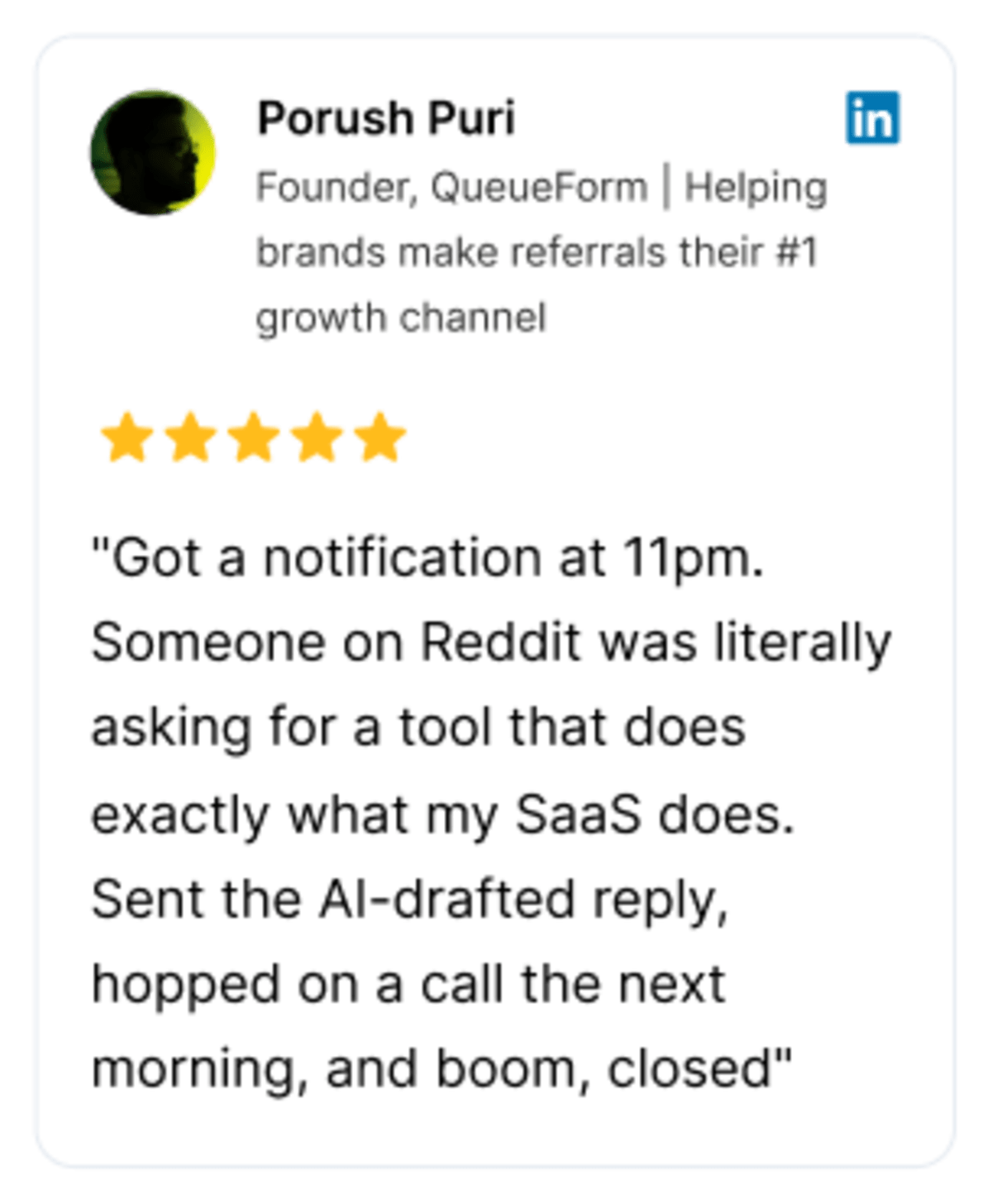
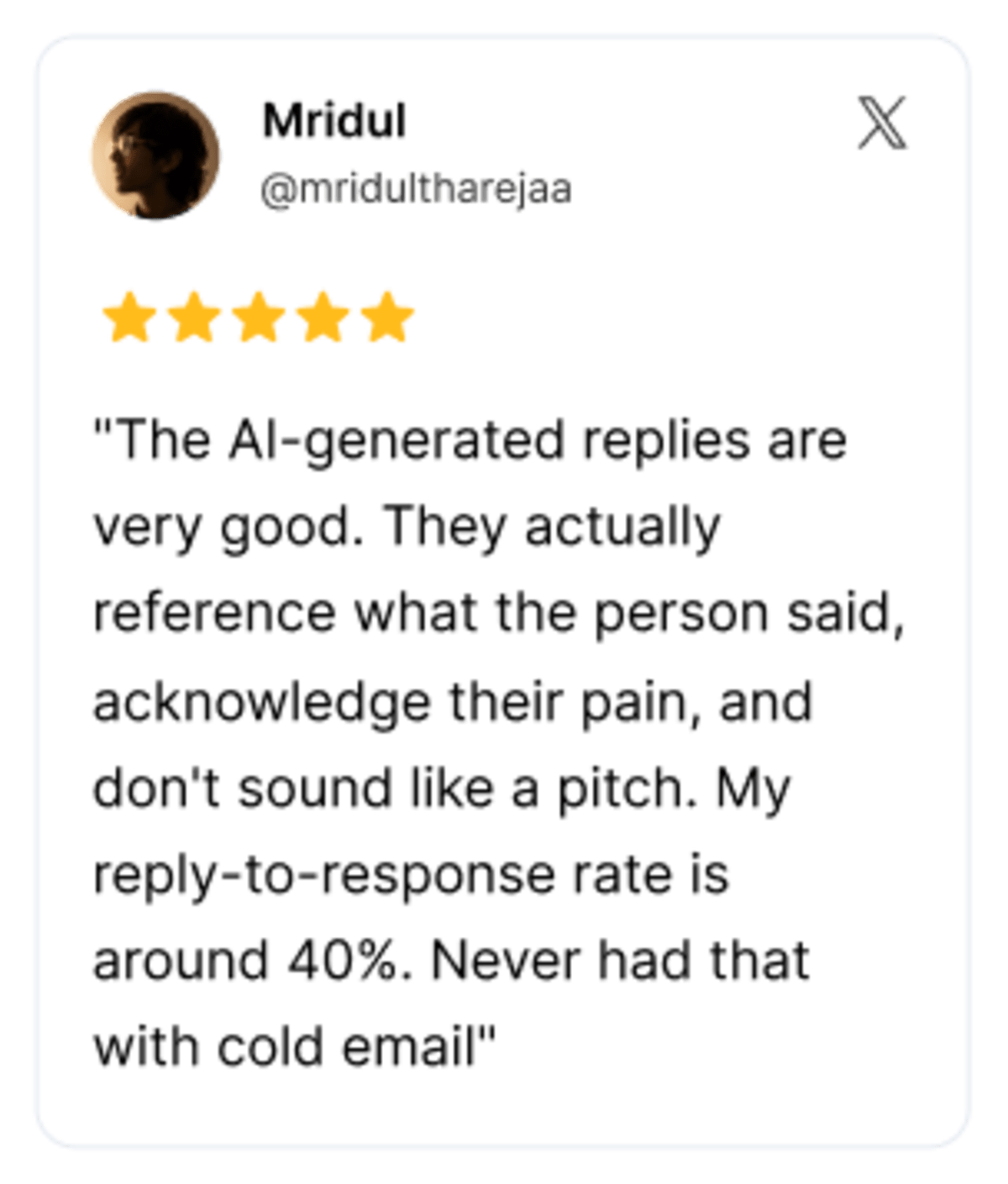
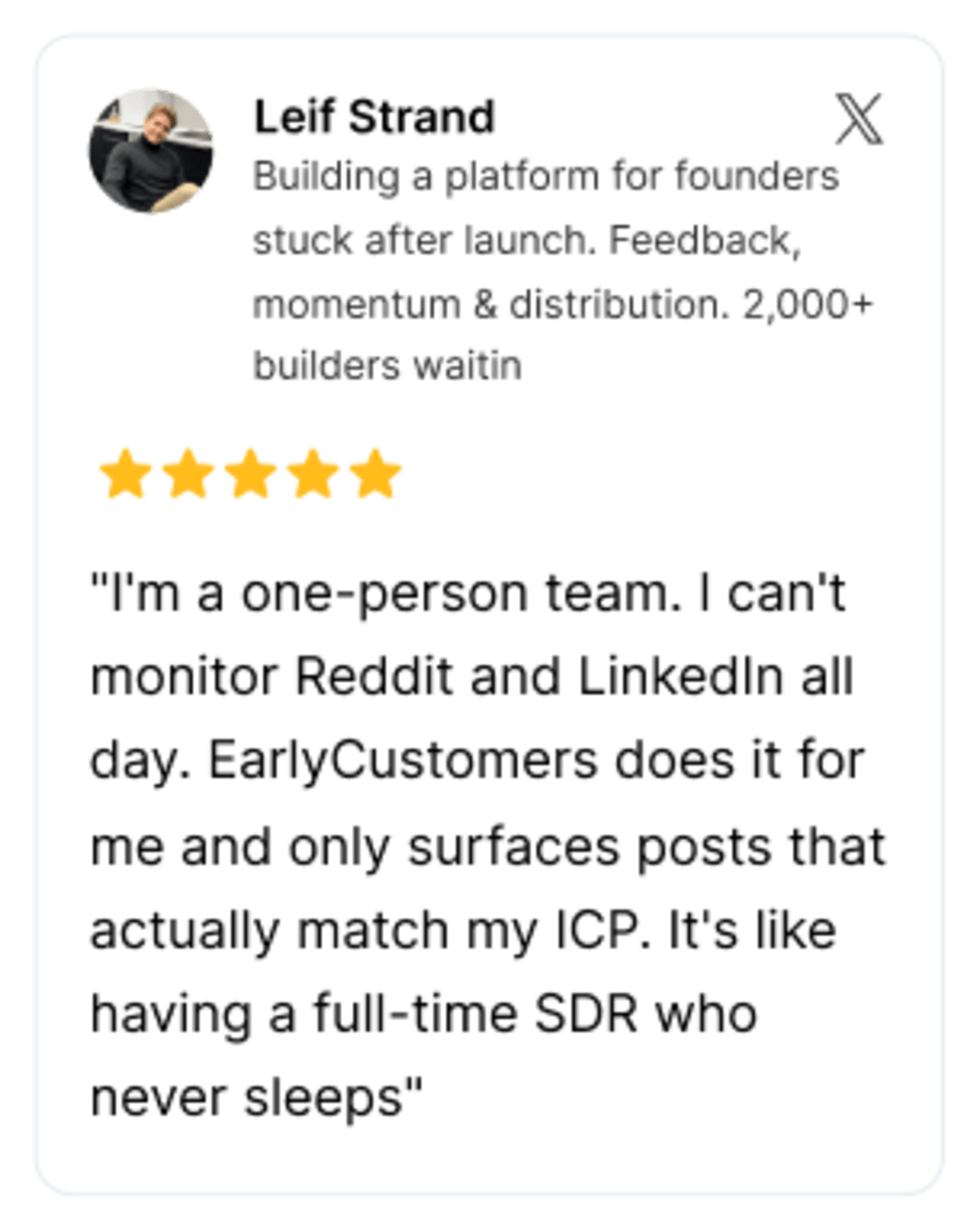
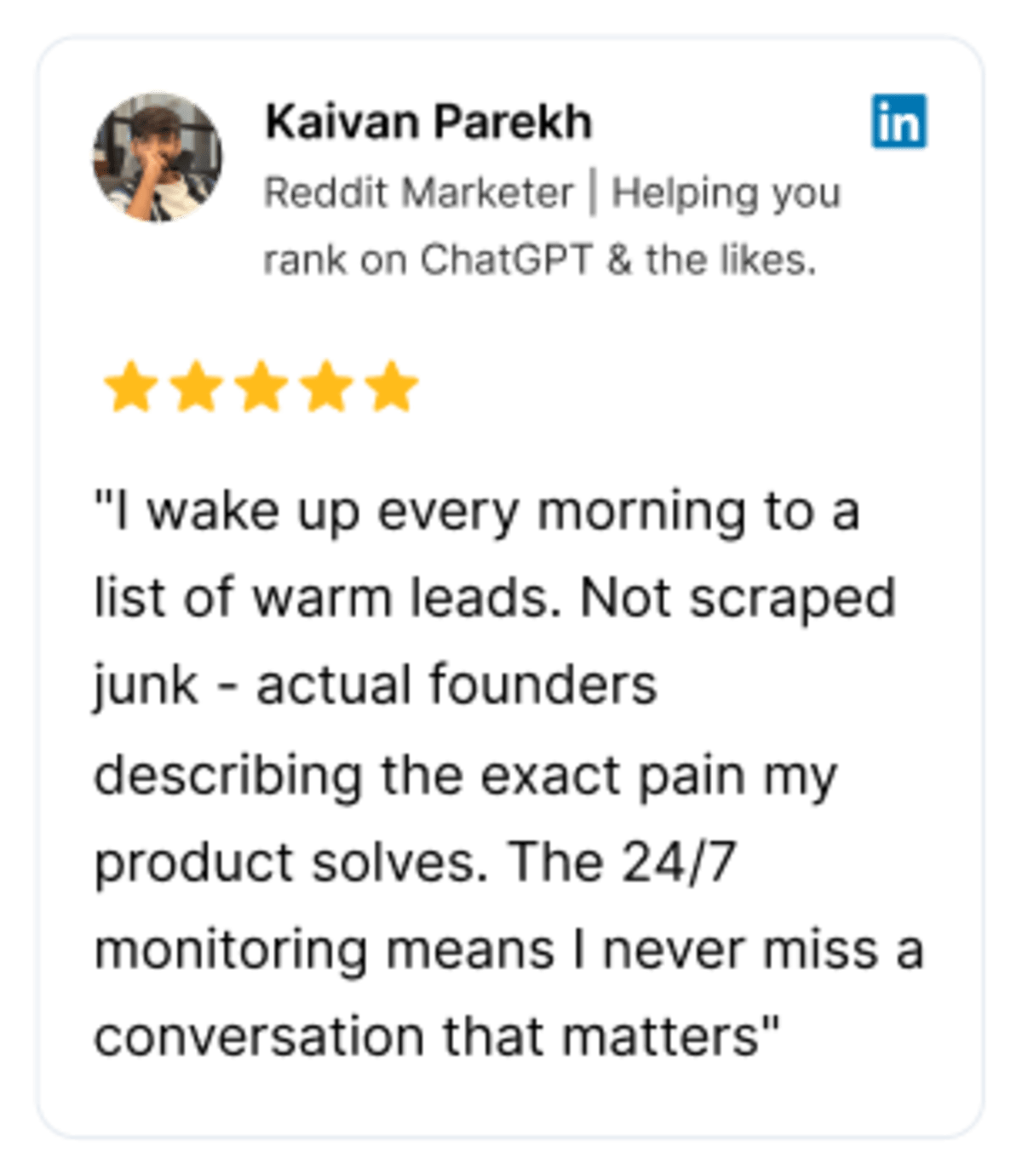
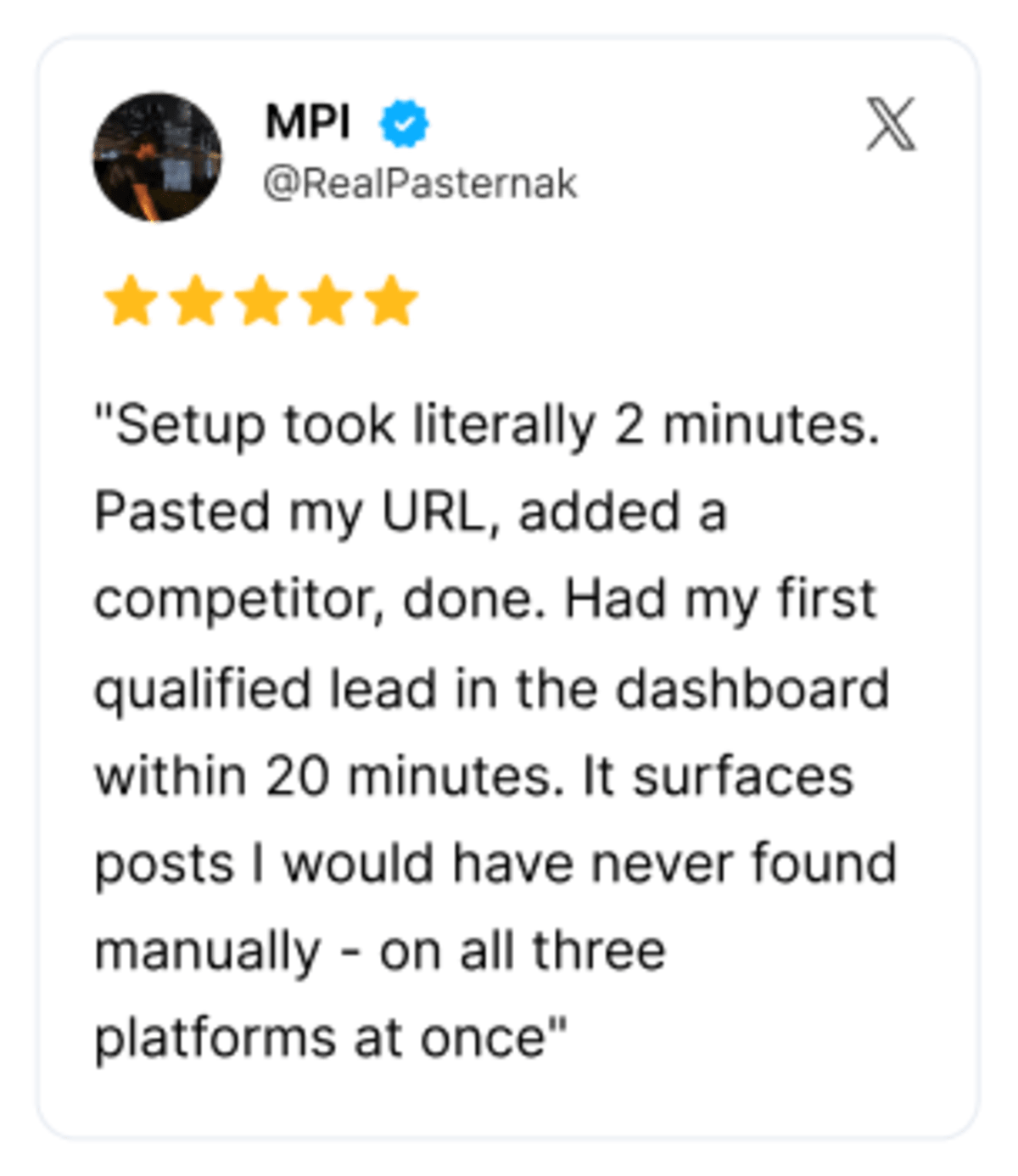
EarlyCustomers monitors Reddit, LinkedIn, and X 24/7 for people actively asking about your problem — and puts them in front of you before your competitors even see the post.
Start finding early customers →